
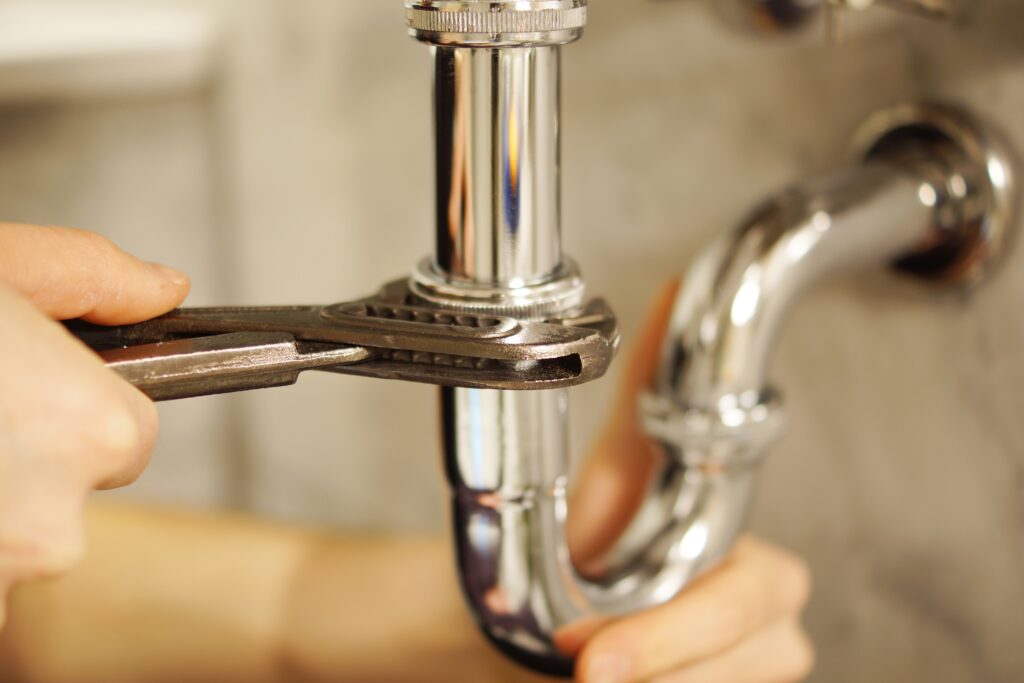
When it comes to plumbing installation Dubai, following the right process is critical. Whether you’re constructing a new home, renovating an office space, or modernizing your plumbing system, getting it right the first time saves time, money, and headaches later. Dubai’s unique climate, water supply system, and infrastructure regulations require careful planning and expert execution to meet high standards.
This blog provides essential tips for ensuring smooth plumbing installation Dubai, addressing every homeowner’s and business owner’s needs. From choosing high-quality materials to complying with local regulations, these actionable steps will guide you toward a flawless plumbing system.
H2 1. Understand Dubai’s Plumbing Regulations
Before starting your plumbing installation Dubai, familiarize yourself with the city’s regulations. Dubai Municipality imposes strict rules to maintain water quality and environmental safety. Fully understanding these guidelines ensures your system won’t land you in trouble.
Hire licensed plumbers who are certified to work in the UAE and aware of the specific codes for your type of property. Poor compliance could lead to fines or even dismantling of your plumbing system. Double-check permissible materials for piping, faucets, and drainage systems when working within Dubai’s jurisdiction.
Adhering to local laws also keeps the water supply safe and addresses environmental concerns in Dubai, where water is a precious resource. Following these rules doesn’t just ensure legal compliance—it also guarantees the long-term durability of your plumbing infrastructure.
H2 2. Choose the Right Materials
Not all plumbing materials are created equal, especially in a city like Dubai, where harsh conditions such as high temperatures and saline soil can damage inferior materials. Opt for corrosion-resistant pipes and fittings designed for long-term durability.
PVC, CPVC, and PPR pipes are popular choices due to their resistance to heat and water pressure—key factors for plumbing installation Dubai. They are also lightweight, making transportation and handling easier during installation.
Additionally, consult your plumber to choose materials that meet Dubai’s health and safety standards. Quality materials provide durability, improve water quality, and lower maintenance costs over time, making them a worthwhile investment.
H2 3. Perform a Detailed Site Inspection
A comprehensive site inspection lays the foundation for a successful plumbing installation Dubai. Skilled professionals analyze the site’s layout to ensure the water supply, drainage system, and any other components are positioned optimally.
Inspecting the building’s foundation for cracks, sloping issues, or soil challenges is critical. This is especially vital for Dubai’s high-rise buildings or villas located in areas with sand-heavy soil. A small oversight in the inspection phase could disrupt the system after installation.
Finally, early detection of potential issues safeguards your project timeline. By getting it right from the get-go, you’ll save on costly fixes while ensuring smooth, uninterrupted service for years to come.
H2 4. Map Out a Strategic Plumbing Layout
For efficient plumbing installation Dubai, plan the layout before the actual work begins. A well-thought-out design involves strategically placing pipes, taps, and drainage points while considering factors such as utility zones and leakage prevention.
Clearly defining the water supply and drainage points is essential for a seamless water flow. This ensures minimal disruptions in case of future maintenance work. The layout should also consider water pressure distribution and temperature control, particularly for large-scale commercial projects.
Furthermore, planning the layout can optimize resource use. With the right design, you’ll minimize waste, manage water use more effectively, and control installation costs.
H2 5. Incorporate Modern Plumbing Technologies
Investing in innovative and efficient technologies enhances the performance of your plumbing installation Dubai. Water-saving faucets and smart leakage detectors help minimize wastage while maintaining a sustainable water supply.
For hot water systems, consider solar water heaters or tankless water heaters, which are better suited to Dubai’s sustainability goals. These systems help reduce energy consumption without compromising comfort.
Smart plumbing technologies also enable you to monitor water flow and detect issues remotely. These advancements minimize downtime and ensure quick fixes, making them a worthy addition to your plumbing system.
H2 6. Conduct Rigorous Testing Before Finalizing
A flawless plumbing installation Dubai requires rigorous testing before the system is operational. Testing reveals any hidden leaks, low-pressure zones, or drainage issues that might hamper usage.
Pressure testing using water or air ensures the piping system can handle operational loads. Similarly, drainage tests detect potential blockages or improper flow throughout the system.
Make sure to document all testing phases in case future building audits require proof of compliance. Thorough testing acts as a quality assurance step, preventing structural or water damage down the line.
H2 7. Maintenance and Long-Term Care
After successful plumbing installation Dubai, a regular maintenance schedule will ensure optimal system performance. Professional plumbers can clean clogged pipes, inspect equipment, and advise on repairing or replacing worn-out parts.
Schedule annual maintenance checks to catch minor issues like dripping taps or slow drainage before they escalate. Periodic flushing of pipes also prevents scaling, which is common in Dubai due to its hard water.
Long-term care not only extends your plumbing system’s lifespan but also keeps operating costs low. A well-maintained system delivers better results and contributes to a more sustainable future.
Keep Your Plumbing Systems Flowing Smoothly
Modern plumbing systems form the backbone of every building in Dubai. By following these seven steps, you can achieve an efficient and durable system while addressing sustainability efforts in this fast-growing city. High-quality materials, compliance with local laws, and expert guidance are critical pillars in ensuring success.
Looking for reliable services for your plumbing installation Dubai? Get in touch with certified professionals who specialize in custom designs tailored to your needs. A robust and compliant plumbing system will add value to your property, safeguard your family, and reduce future repair costs.
FAQs
1. How long does a plumbing installation take in Dubai?
The timeline depends on the project size and complexity. Standard residential systems typically take 5–7 days.
2. Are there specific materials allowed for plumbing in Dubai?
Yes. Only certified materials like PVC, CPVC, and PPR pipes are allowed due to their durability against Dubai’s tough conditions.
3. Why is a plumbing layout critically important in Dubai?
It optimizes water flow, prevents future problems, and minimizes installation costs. It’s especially vital for high-rises in the city.
4. Can I install solar water heaters in Dubai homes?
Absolutely! Solar water heaters are not only allowed but also encouraged for their sustainable benefits aligned with Dubai’s goals.
5. Is professional maintenance mandatory for plumbing systems?
Yes, professional maintenance ensures efficiency, reduces costs, and increases the lifespan of your plumbing system.
6. What is the average cost of plumbing installation Dubai?
Costs vary based on project size and materials. On average, expect around AED 5,000–8,000 for a standard home installation.
7. How can I find a licensed plumber in Dubai?
Check for plumbers registered with the Dubai Municipality or hire from reputable agencies specializing in plumbing services.
8. Why is plumbing testing required before usage?
Testing ensures safety, quality, and issue detection in plumbing installation Dubai. It’s essential for preventing future operational failures.